Autonomous E-barge: inside MAGPIE’s push to make autonomous operations a reality in the Port of Rotterdam
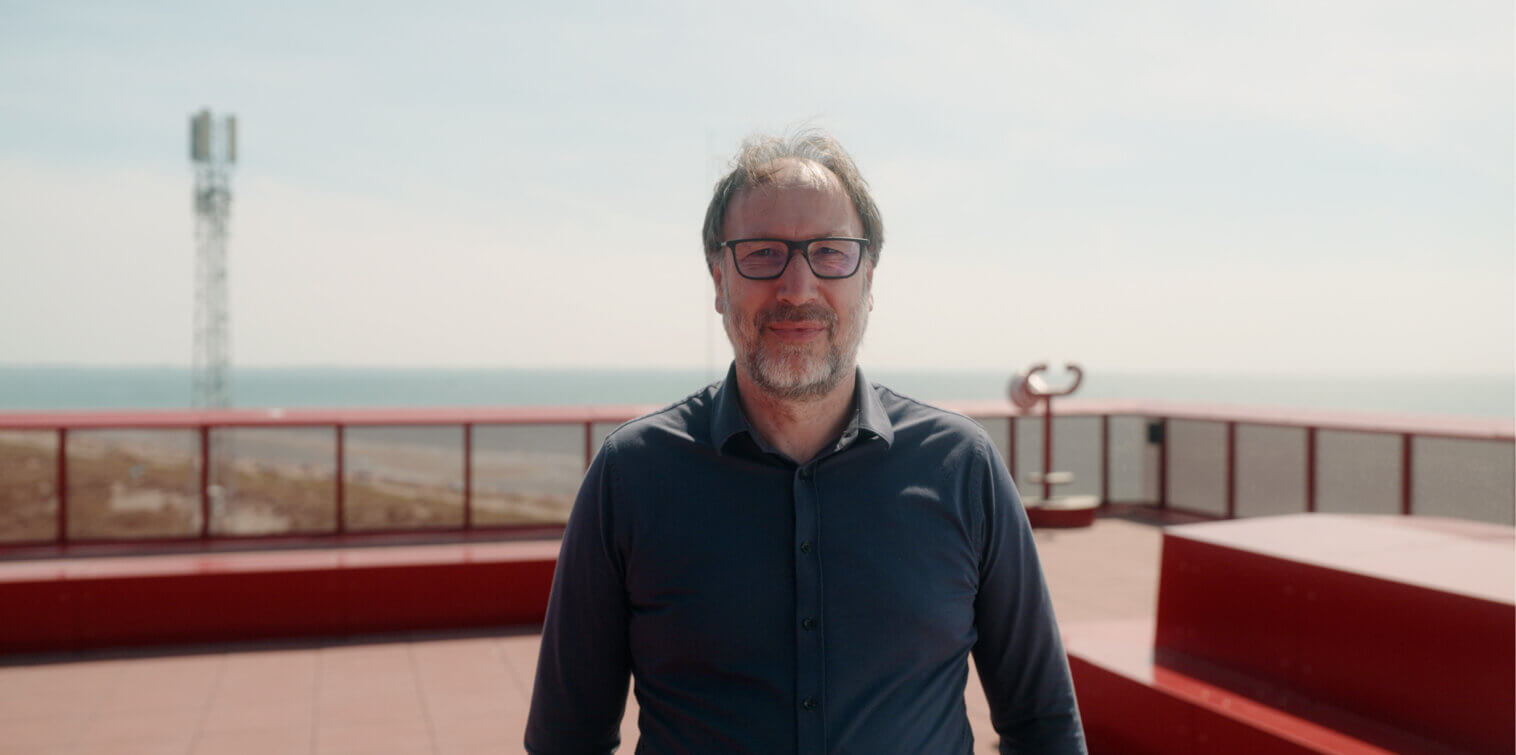
Part of a European port sustainability project called MAGPIE, the events described above took place in mid-2026 to answer one of the trickiest questions in autonomous shipping: before a vessel can sail itself, can it first learn to tell everyone else what it’s about to do?
“This was the second ‘Autonomous E-barge’ demonstration, which looked at how a ship can sail autonomously in a port,” says Thierry Verduijn, Autonomous Sailing Lead on the MAGPIE project.
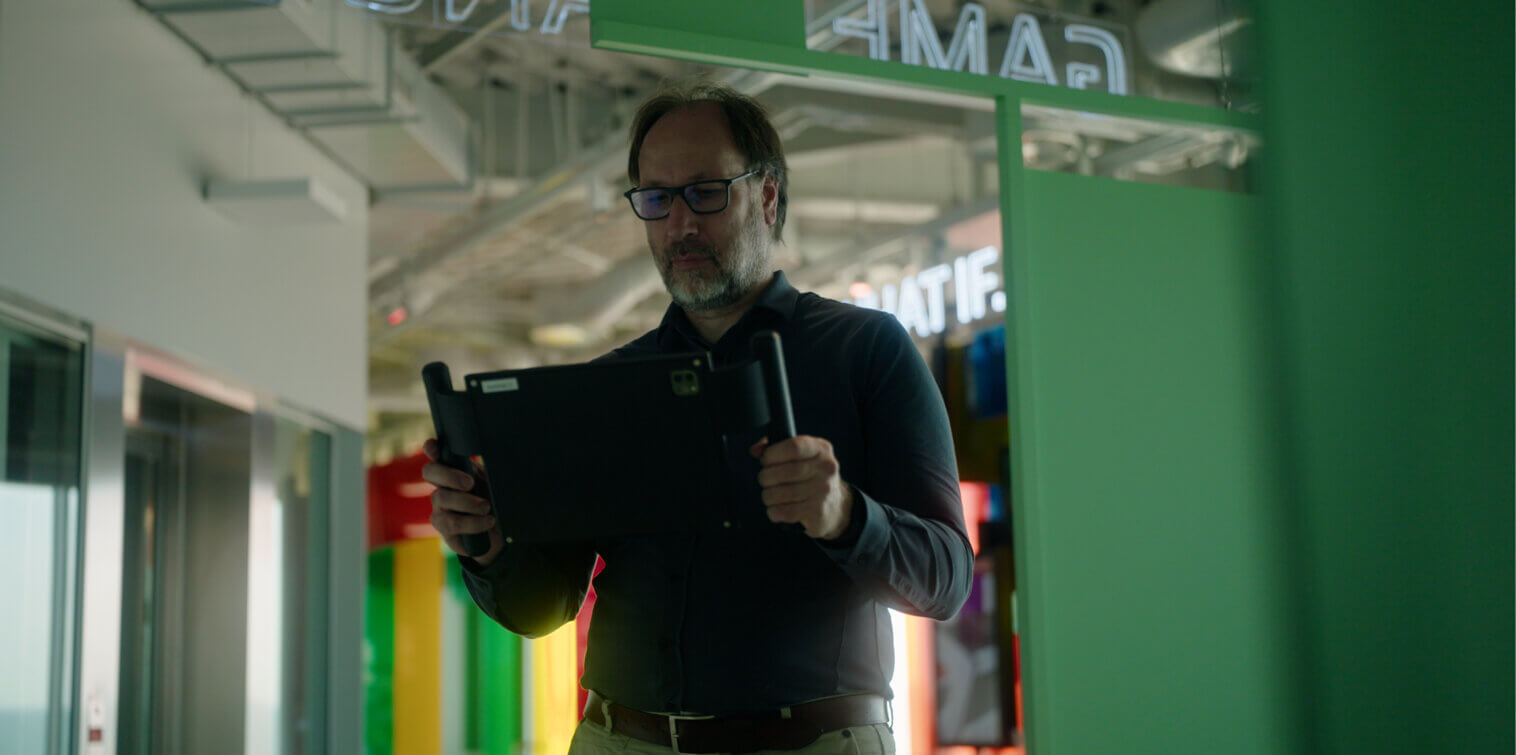
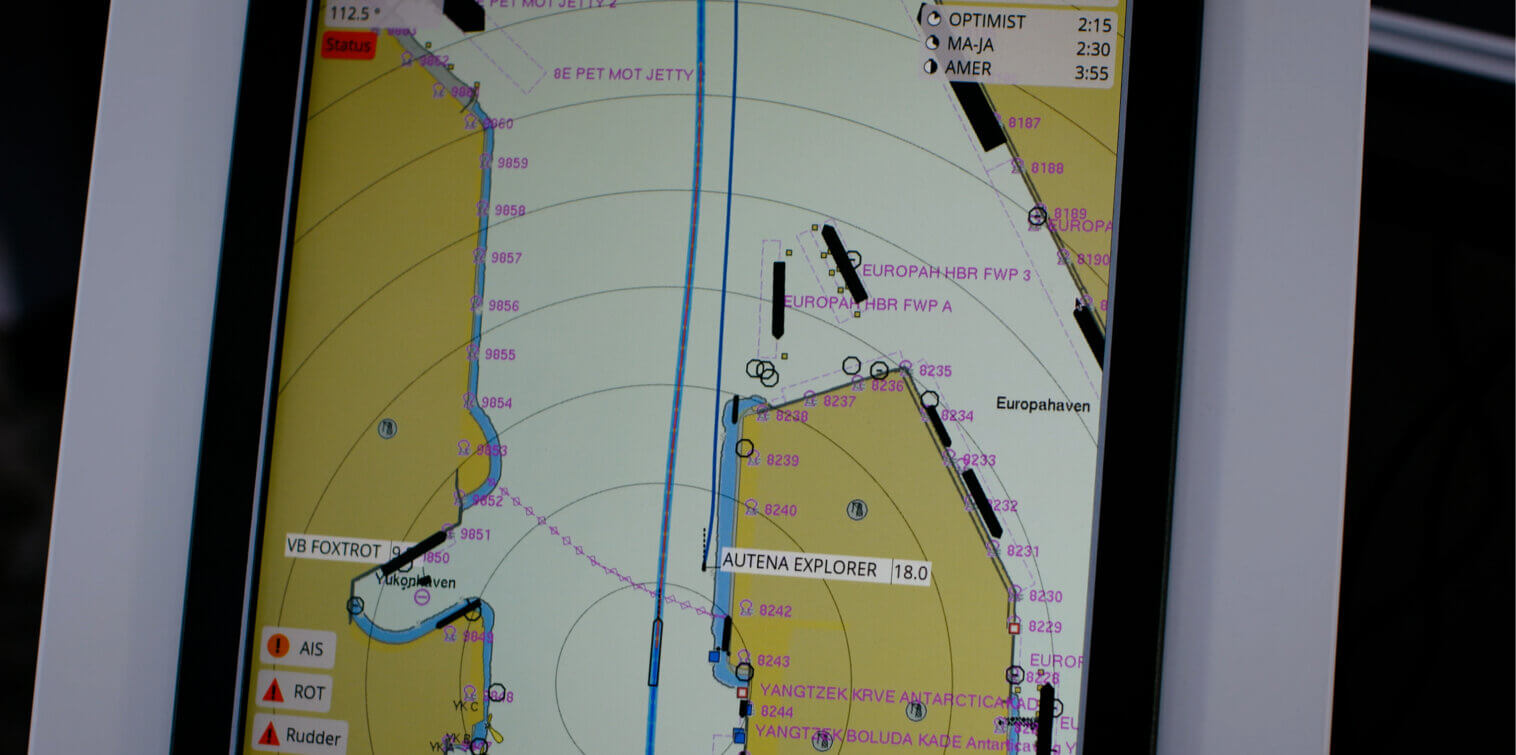
The first demo, called ‘When Ships Talk’, took place in October 2025 and focused on sharing intentions: how autonomous ships share and coordinate information with each other and Vessel Traffic Services (VTS) systems digitally. “With this second demo ‘Autonomous Port Operations’, we took things further; including autonomous docking, manoeuvring autonomously into and out of port basins, and collision avoidance in port basins and on the river.”
European coordination
MAGPIE is a European project that aims to advance the sustainability of ports. It is divided into ten separate demos at various stages of technology readiness, one of which is dedicated to Autonomous Sailing, led by Thierry. “It’s a special project because, rather than technology development, it’s more about showing what solutions are available to make ports more sustainable,” he explains.
Rotterdam acts as a ‘lighthouse port’: a large port whose knowledge is then tested for transferability to smaller European ports. “The Port of Rotterdam is big and complex. If solutions work here, we have most likely covered a variety of situations and challenges faced by other ports. The smaller ports can benefit from what we learn.”
Why automate a barge?
For Thierry, the case for autonomous inland shipping starts with people. Or rather: the lack of people. “The shortage of trained crews is getting more severe,” he says. “At some point, if we still want to sail safely, we have to look at whether automation can provide the solutions to workforce shortages.” At the same time, freight volumes are rising, and inland shipping will need to absorb a growing share of that flow. “Looking at the current staff shortages and the expected growth of cargo flows, automation is a no-brainer.”
There’s a ‘workforce-attraction’ angle too. Remote operations (monitoring a vessel from an office rather than a ship’s wheelhouse) could make the inland shipping sector more appealing to a new generation entering the workforce. “If our most important goal is to maintain the competitive edge and capacity of the inland shipping sector, autonomous vessels with remote operations could allow people to have a more normal life rhythm,” Thierry says.
A complex and connected system, not an isolated ship
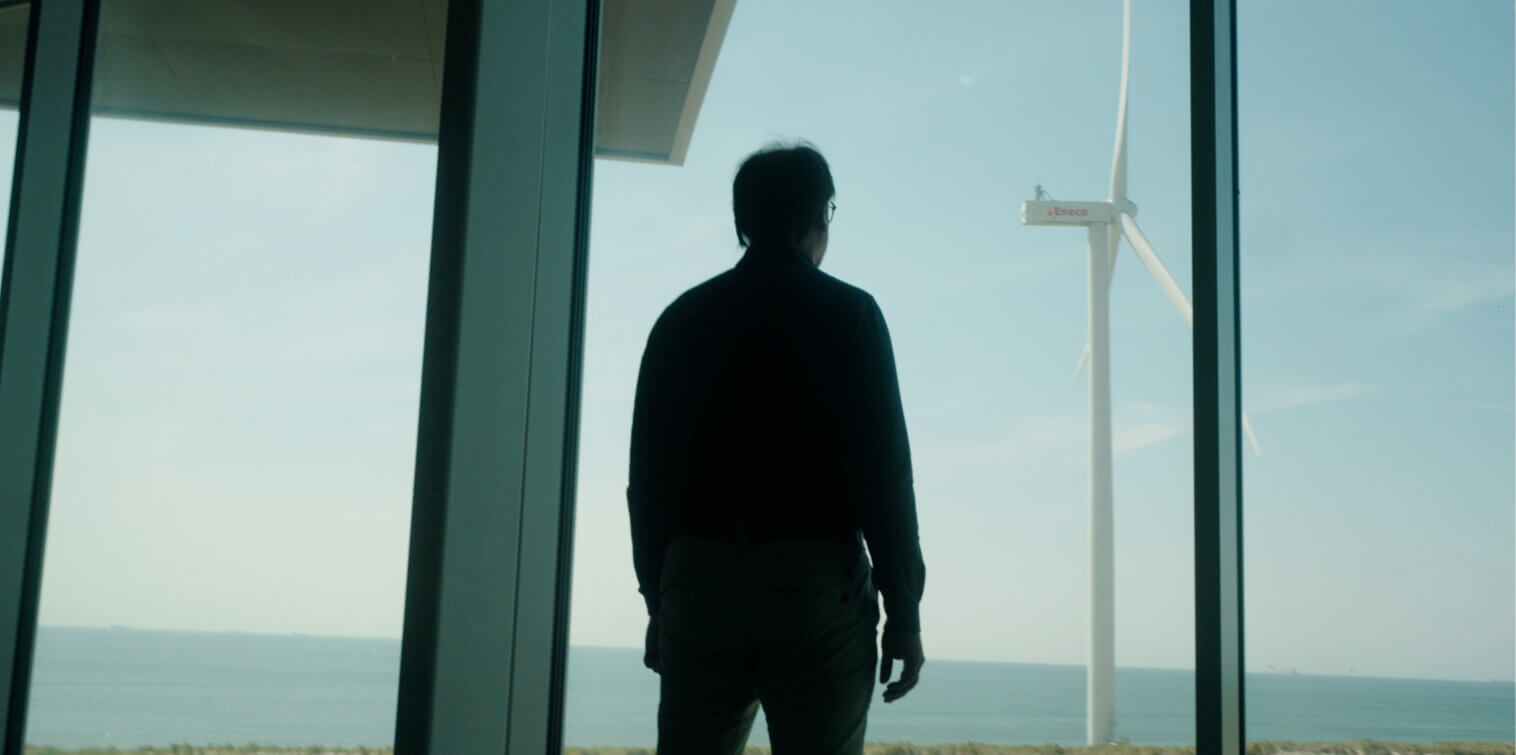
For Thierry, the real value of the ‘Autonomous E-barge’ demos was the clarity they brought. “We got a really good picture of how far we are with the technology, and where we, as a port, should focus.” He emphasises that an autonomous vessel doesn’t operate in isolation; it shares the waterways with other traffic, terminals, dredging activity and more. “Therefore, it’s important that the entire system develops alongside these existing activities.”
That’s where the Rotterdam region’s strength becomes clear. Thierry points to the tightly organised smart shipping network, built up over years, for the pace at which the ‘Autonomous E-barge’ project came together. “This was a five-year project compressed into two. It was about collaborating with national and regional parties. Because we’re so well integrated in that network, and in stakeholder management, we were able to organise it quickly, with good results.”
For companies joining projects like MAGPIE, Rotterdam’s innovation ecosystem translates directly into faster, broader and better solutions. “And don’t forget how important it is to have a market to develop those solutions,” adds Thierry. “In the case of MAGPIE, we found out exactly what the market needs to make this technology scalable.”
Want to learn more?
Get in touch with Rotterdam Maritime Capital of Europe (maritime@rotterdam.nl) and MAGPIE (https://www.magpie-ports.eu/).
Get in touch!