Haptic feedback control levers as a bridge to autonomous shipping
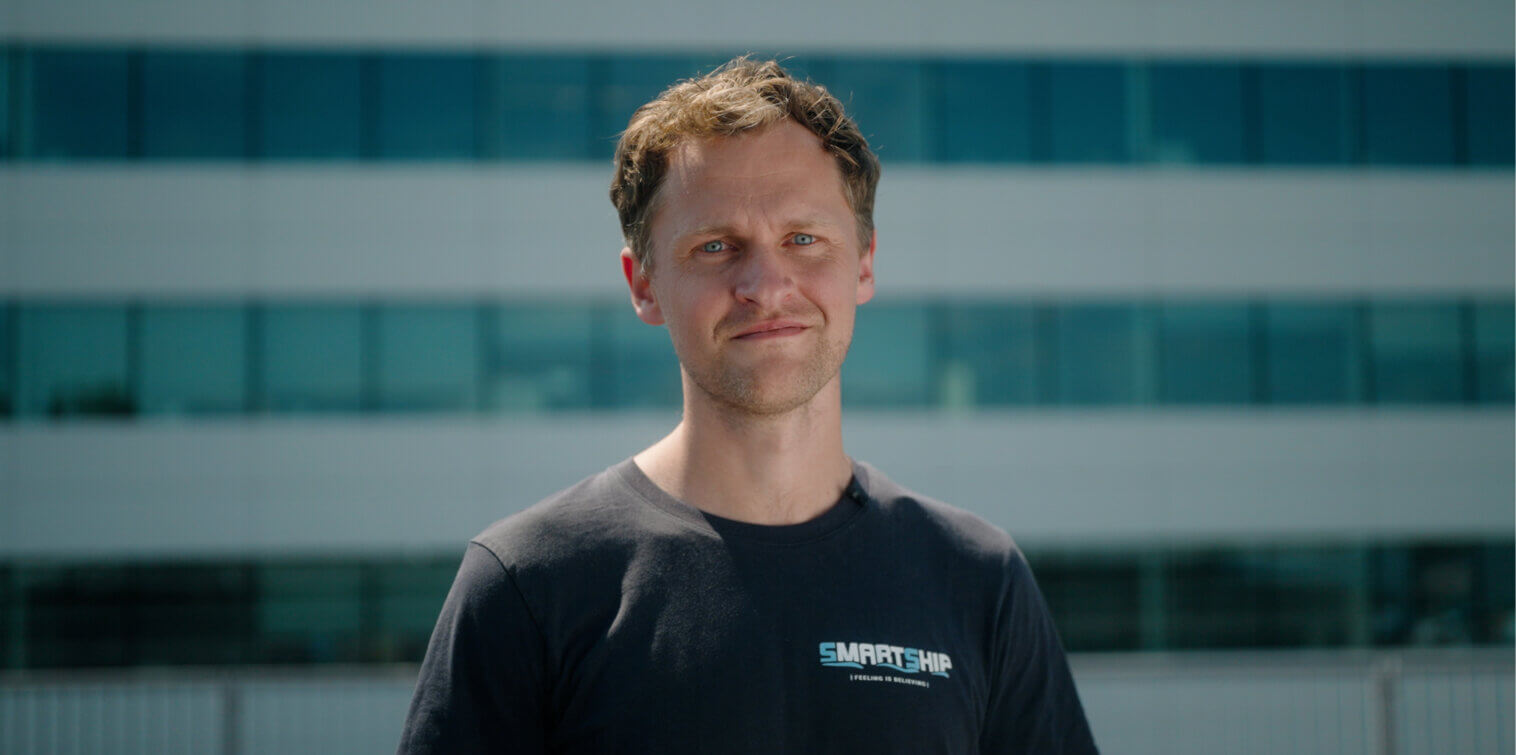
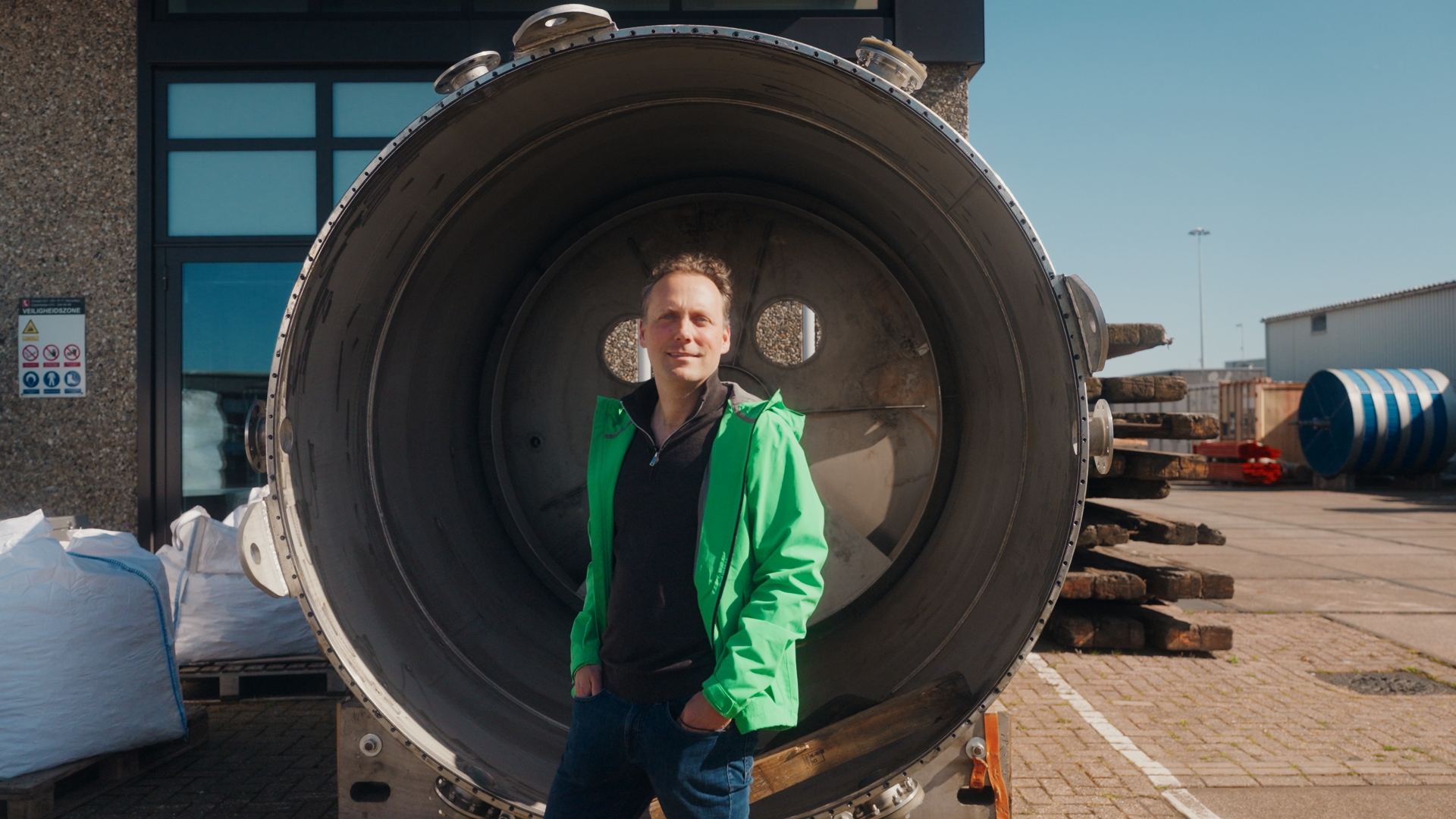
“We see ourselves as a key link between automation and the vessel,” explains Roy Kok, founder and CEO of Smart-Ship. “Haptic feedback control levers act as a bridge between autonomous systems and the operator.” Haptic means touch-based: the levers communicate with the operator through resistance and vibration. Compare a phone that buzzes or a car's steering wheel that gently pushes back with lane assist. Instead of adding yet another screen or alarm, the vessel literally lets you feel what is happening.
Smart-Ship is a prime example of the innovative capacity of the Rotterdam maritime region. What began in September 2018 as a graduation project for the Royal Netherlands Navy has, thanks to regional collaborations, grown into a leading developer of maritime propulsion control systems.
When it comes to developing autonomous shipping, Kok sees Smart-Ship’s strategic role: “We don’t develop autonomous systems ourselves, but we work with developers to enable remote and (semi)autonomous control. That’s where our strength lies. Through standardisation and our haptic feedback technology, we bridge the gap between data and the physical control of propulsion systems, whether conventional, hybrid, electric, or hydrogen-powered.”
This gives Smart-Ship an active role in Rotterdam’s ambitions as the Maritime Capital of Europe. A concrete example is the Living Lab Green & Autonomous Corridor Rotterdam-Oslo project. This collaboration between Samskip (container shipping), regional partners, and knowledge institutions such as Rotterdam University of Applied Sciences and Delft University of Technology is funded by the European Just Transition Fund (JTF). Initiatives like these prove that the ecosystem of the broader Rotterdam region, with its Maas, Rhine and Merwede river systems, is the ideal innovation hub and a crucial condition for developing autonomous and sustainable maritime systems.
Technology restores interaction between human and machine
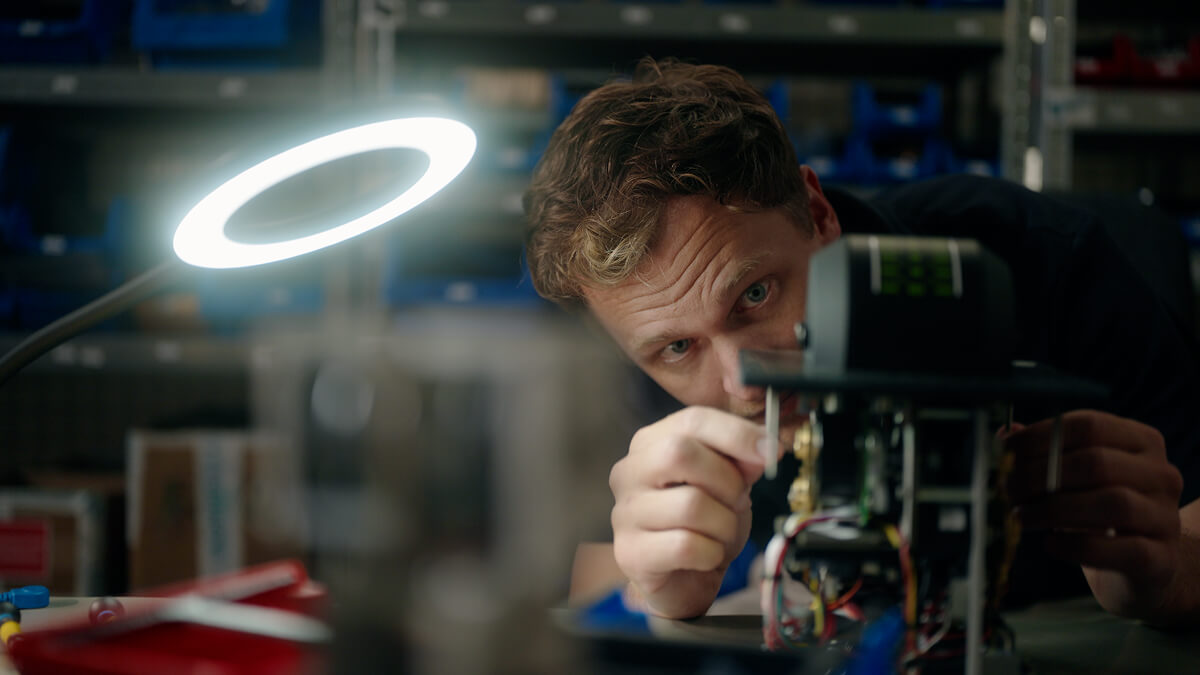
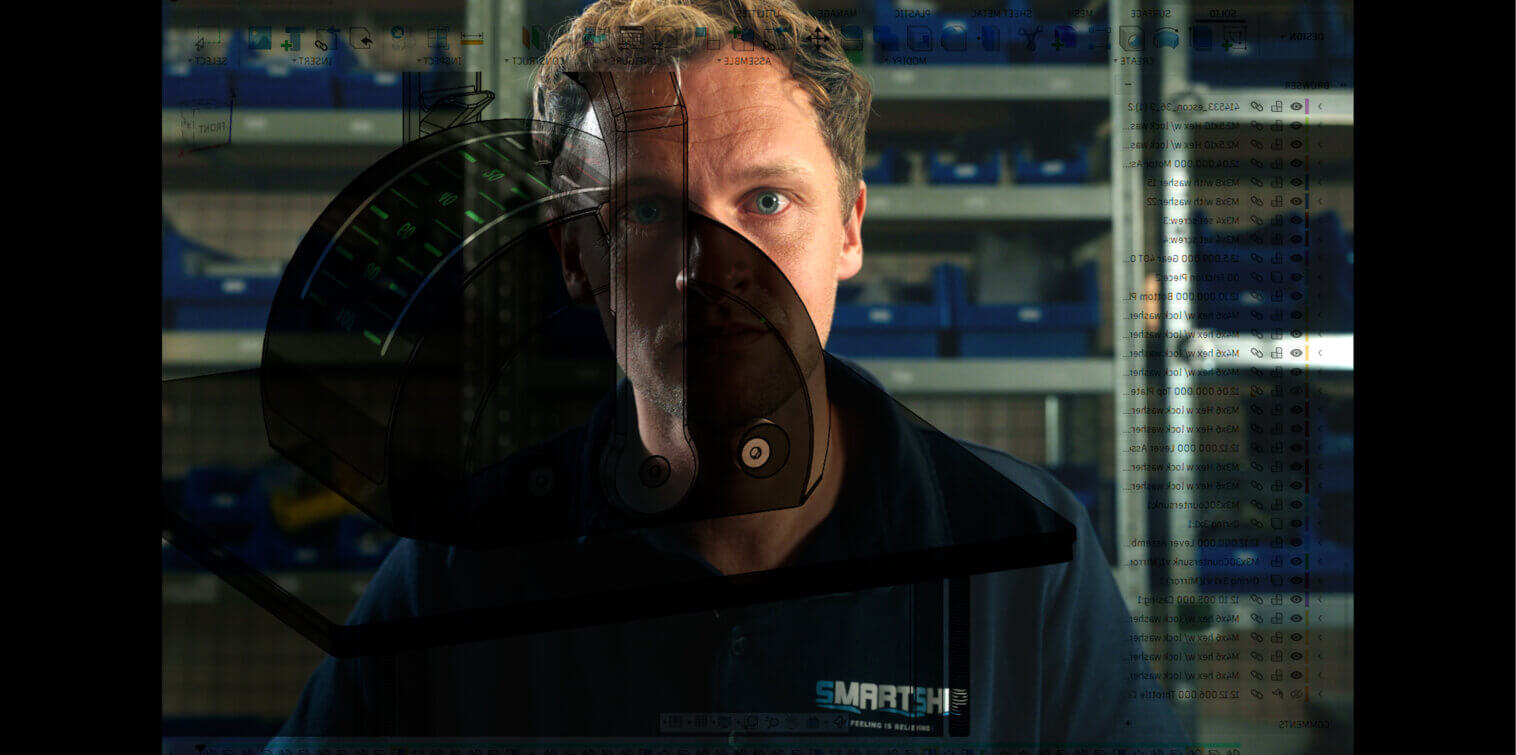
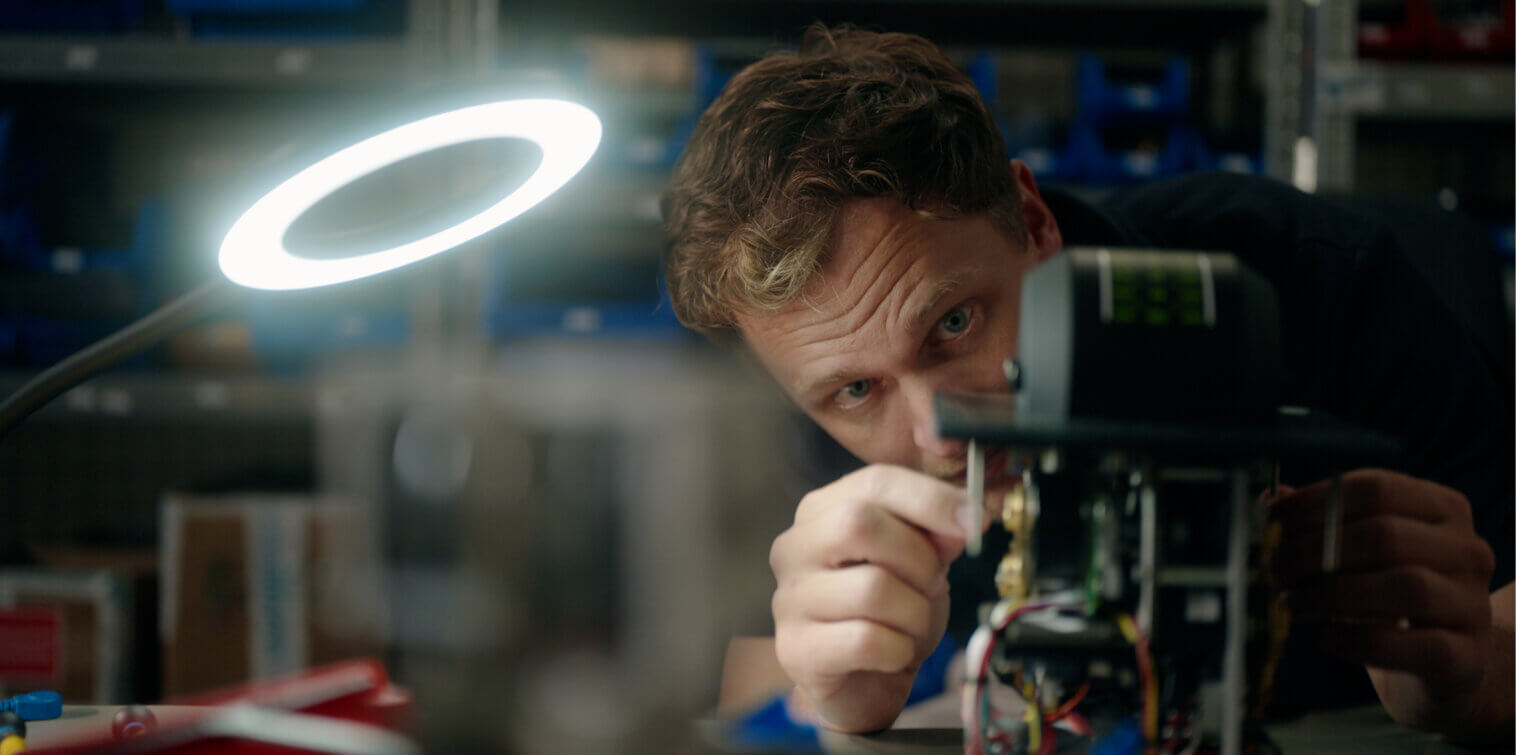
To understand how Smart-Ship’s haptic feedback control levers contribute to autonomy, operational efficiency, and sustainability in shipping, we must first grasp what this technology does. Kok explains: “The core of Smart-Ship is our tactile (‘haptic’) feedback control system. In the graduation assignment, they were looking for a solution for their small, high-speed vessels. Due to high speeds and rough seas, crew members were sustaining injuries. The idea emerged to incorporate force feedback into the control levers. A smart throttle lever that gives the operator signals they can actually feel; signals about environmental conditions such as wave impacts and vibration levels, allowing them to adjust their navigation behaviour to prevent injuries.”
Smart-Ship’s haptic control levers (including throttle, bow thruster, azimuth and tiller levers) also address the overload of screens and audio signals that operators must process. “It’s logical to feed that information back into the system you’re already using to control the vessel. It brings critical information such as safe rate-of-turn, track pilot follow-up, or shallow water warnings back to the user in an intuitive, actionable way,” Kok continues. The resistance or vibration signals the operator feels in the levers, similar to a car’s lane assist, help steer the ship optimally, while also reducing fuel consumption and emissions.
And it is precisely this interaction between control and data, between operator and vessel, that builds the bridge to both autonomous and sustainable shipping.
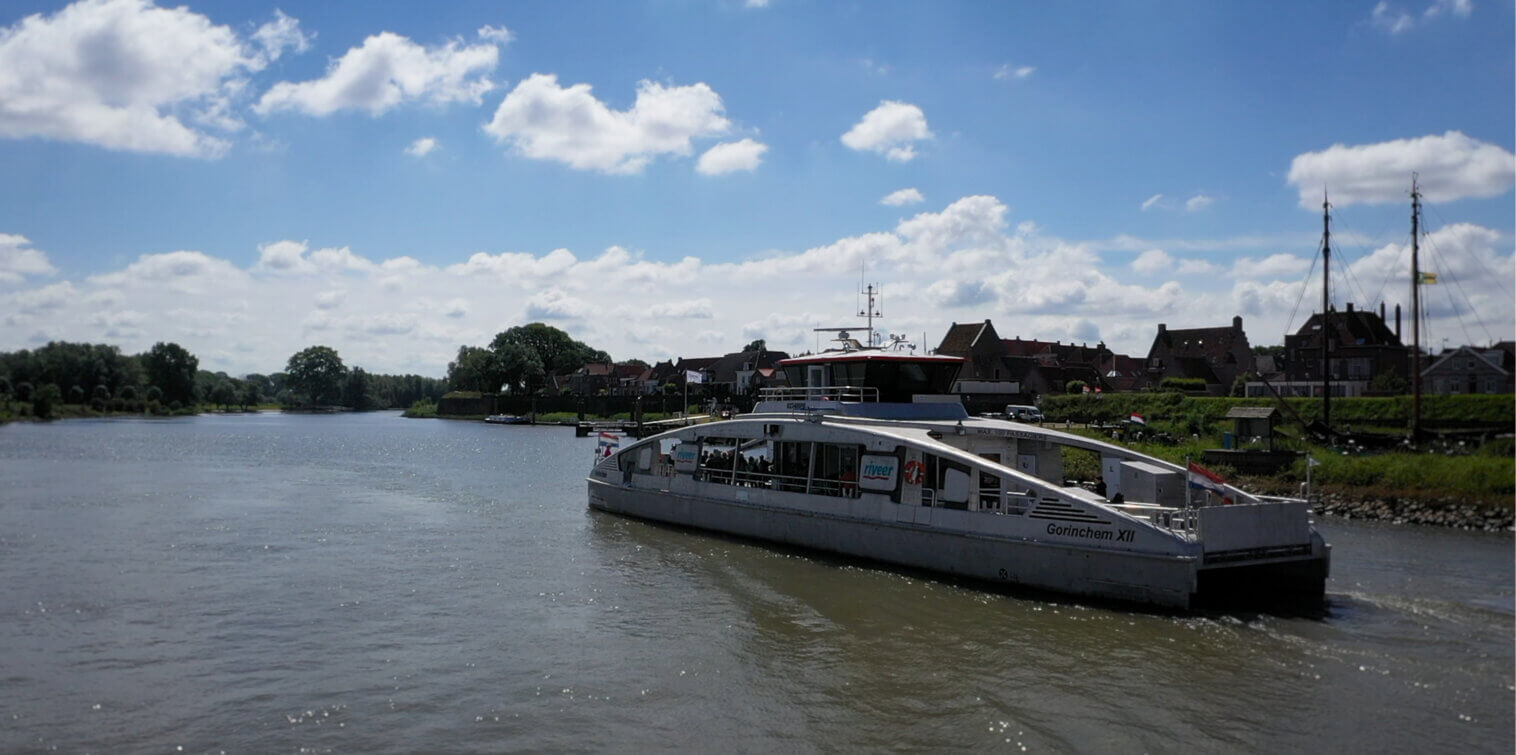
Rotterdam region: the centre of development towards an autonomous future
At the historic heart of the Port of Rotterdam, the development of autonomous and sustainable shipping is centralised on the RDM Campus. Here, Smart-Ship is involved in a large-scale innovation project led by Rotterdam University of Applied Sciences, aiming to create a training centre for the ‘captain of the future’. “The captain of the future won’t be performing their duties on board the vessel anymore,” Kok believes. But thanks to the haptic feedback in the control levers, this remote operator maintains a tactile connection with the ship, even from a distance.
The successful growth of Smart-Ship illustrates the fertile ground the Rotterdam region offers for developing autonomous and sustainable shipping. “The Rotterdam region is where most of our clients are active. Additionally, the region actively stimulates innovation through events, subsidies, and support, as well as strong links with knowledge institutions. There’s a real drive here to innovate.”
This creates a unique environment for creative solutions to industry challenges. Kok sees a major opportunity in the refit market for inland vessels: “A lot of effort is being put into diesel-electric or hybrid propulsion, but there are still many vessels with conventional systems that have years of service left. Thanks to our haptic feedback control levers, operators can save fuel immediately, regardless of the propulsion type, conventional, electric, hybrid, or even wind-assisted. The system retains its economic value while future-proofing the fleet.”
Want to learn more?
Get in touch with Rotterdam Maritime Capital of Europe (maritime@rotterdam.nl) and Smart-Ship (https://smart-ship.eu/en/).
Get in touch!