Connecting the dots of the carbon value chain – all aboard!
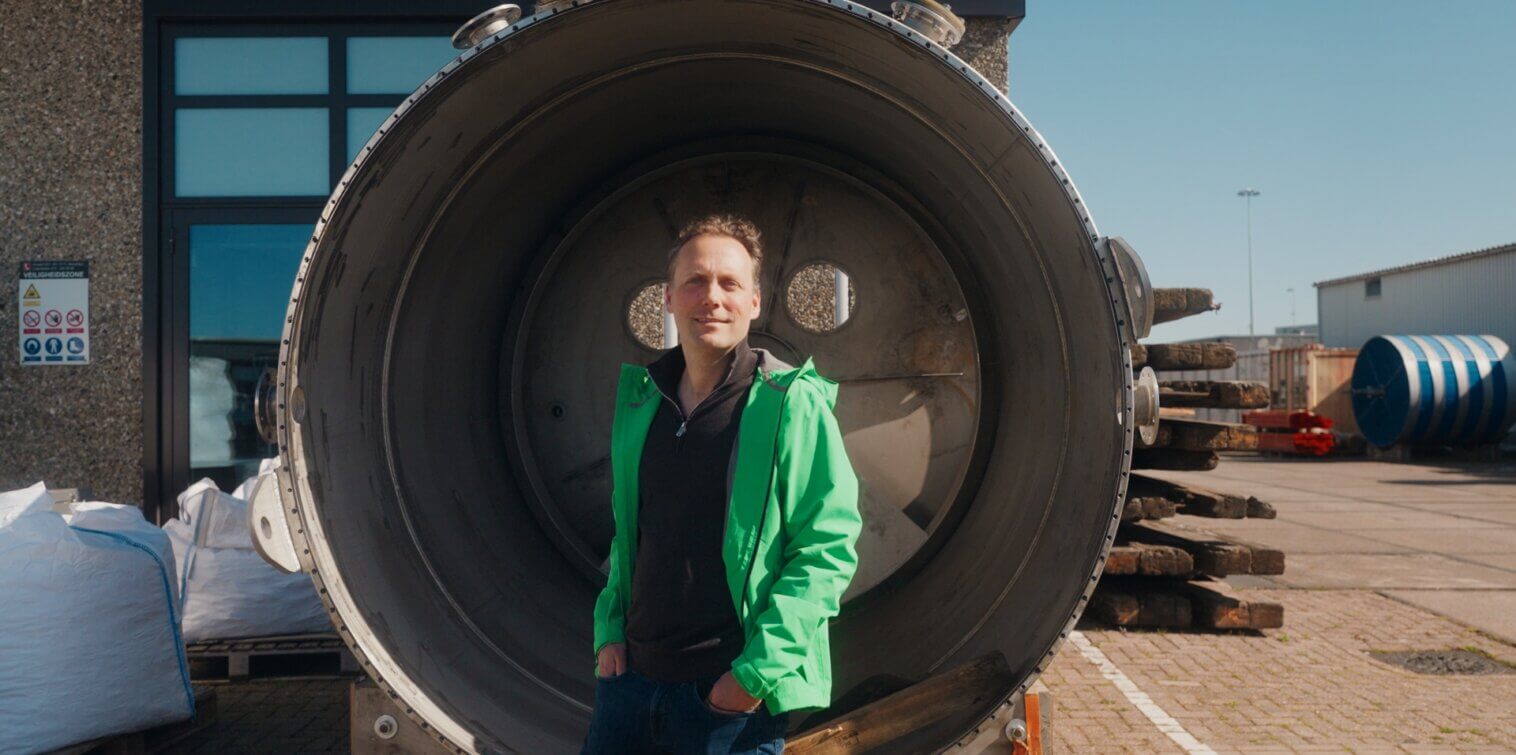
In the race to decarbonise global shipping, Value Maritime is not only capturing carbon onboard vessels, it is also building the infrastructure to ensure that carbon keeps its value once it reaches shore.
Founded in 2017 and headquartered in Rotterdam, the company operates at the intersection of engineering innovation and commercial pragmatism. Its mission is clear yet ambitious: to make emissions reduction both technologically viable and financially attractive for shipowners today.
Christiaan Nijst, founder and director of Value Maritime, gives a snapshot of what the company is working on,
“From our Rotterdam base, we oversee the entire carbon value chain, accelerating the energy transition across sea and land, from capture to utilisation and storage, while linking emitters with offtakers. Through Value Maritime and Value Carbon, we provide proven technologies and end-to-end CO₂ solutions that deliver measurable emission reductions.”
He adds, “We help customers connect onboard systems with onshore solutions, from offloading and handling to processing and identifying viable pathways for CO₂ utilisation or sequestration.”
From concept to commercial reality
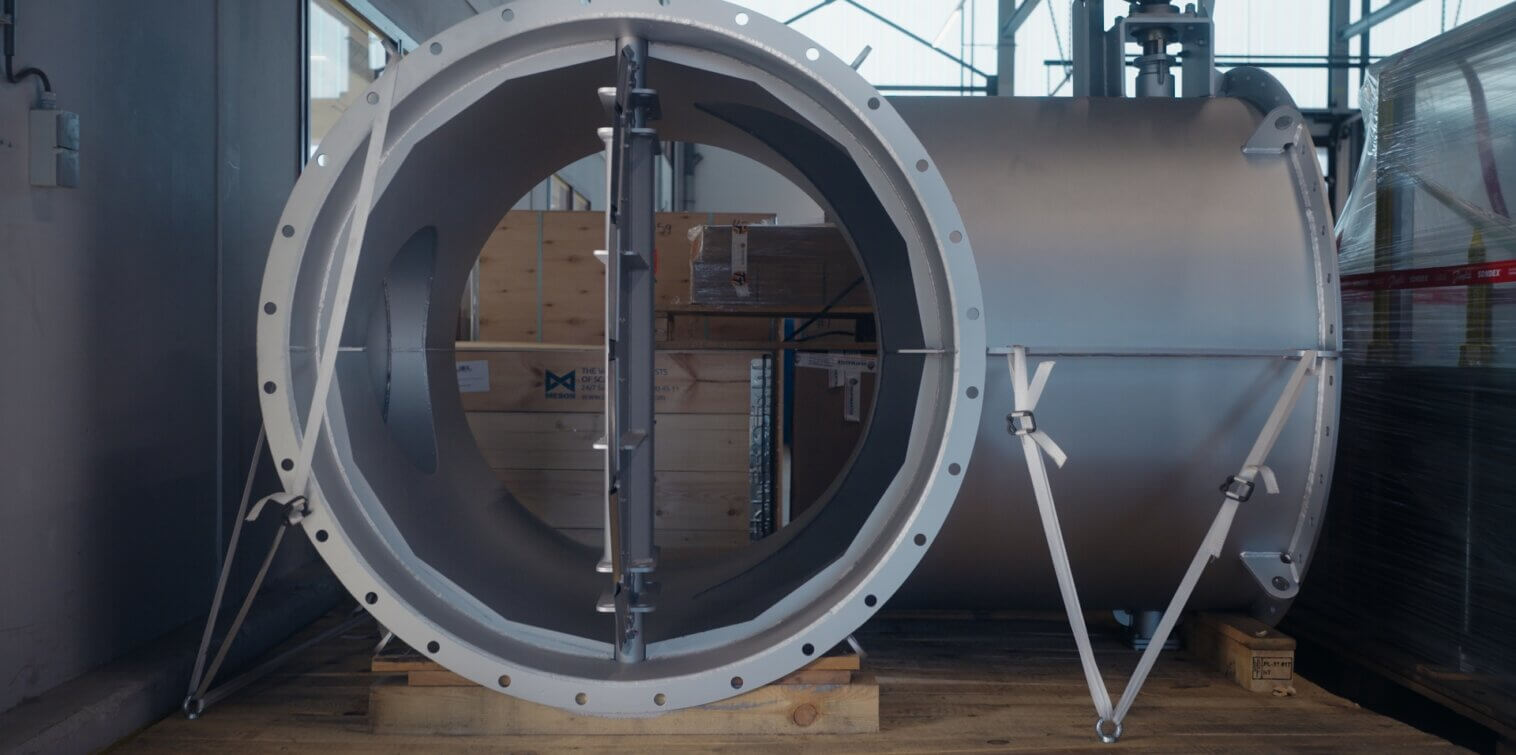
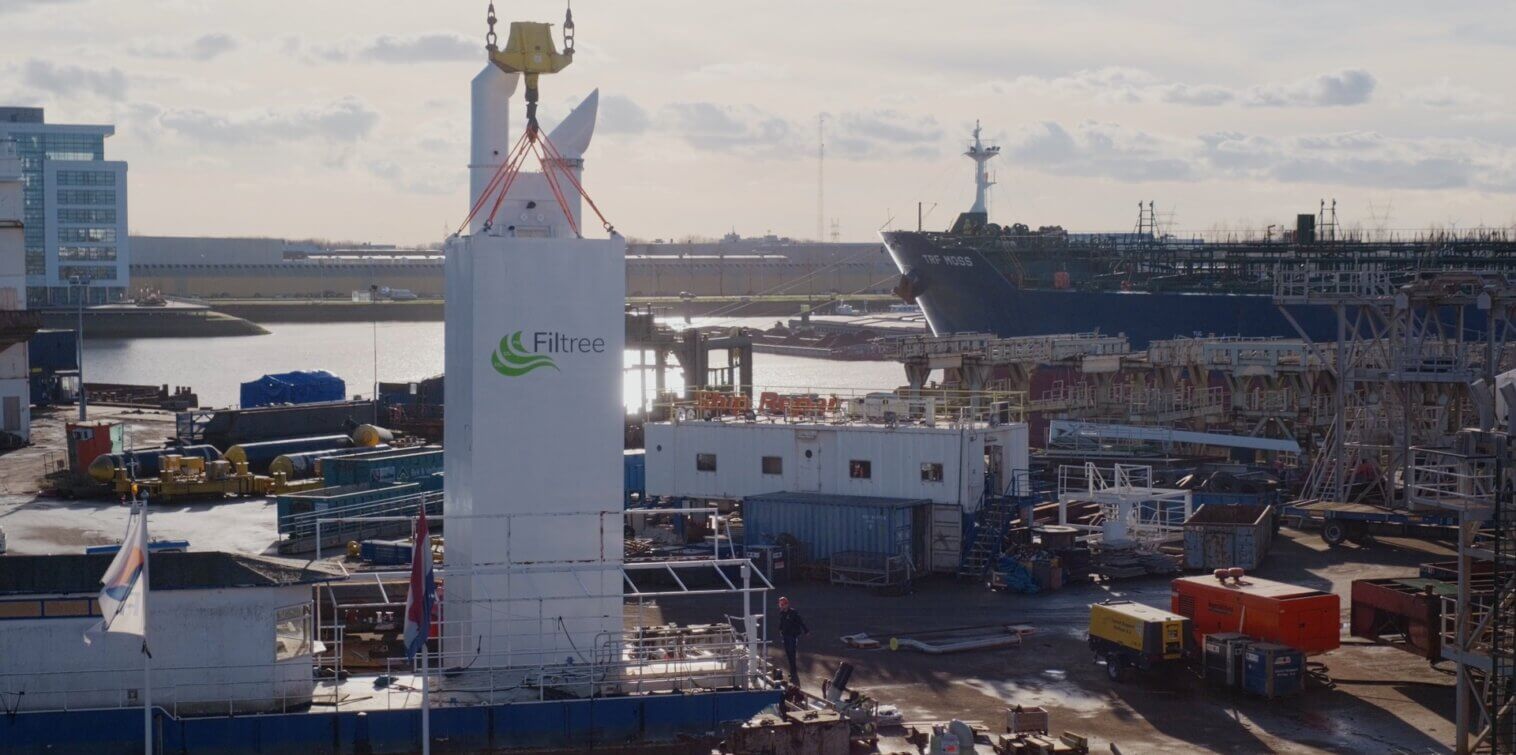
At the core of Value Maritime’s early offering is its proprietary Filtree system, a modular emission control solution designed for both newbuilds and retrofits. The system captures sulphur oxides (SOx), particulate matter (PM), and increasingly carbon dioxide (CO₂), directly from a vessel’s exhaust stream.
“We wanted to create something that was not only environmentally sound but also made clear economic sense, that’s always been our reason for existing,” says Nijst.
The Filtree system combines advanced scrubbing technology with a rotating packed bed to achieve high capture efficiencies, up to 98% for SOx and significant reductions in fine particulate emissions. Building on this foundation, the Advanced Filtree system integrates SOx and particulate matter scrubbing with next-generation onboard carbon capture.
Cooled exhaust gases are brought into contact with a liquid amine solution that absorbs CO₂. The captured carbon is then stored onboard in specially designed tank containers, often referred to as “CO₂ batteries”, at ambient temperature and pressure. In some cases, existing onboard tanks can be repurposed for CO₂ storage.
The company also developed the Carbon Catcher, a standalone carbon capture system for vessels already operating on sulphur-free fuels such as methanol and LNG. Based on its rotating packed bed (RPB) absorption technology, it delivers high-efficiency CO₂ capture without requiring a scrubber.
Minimal onboard impact
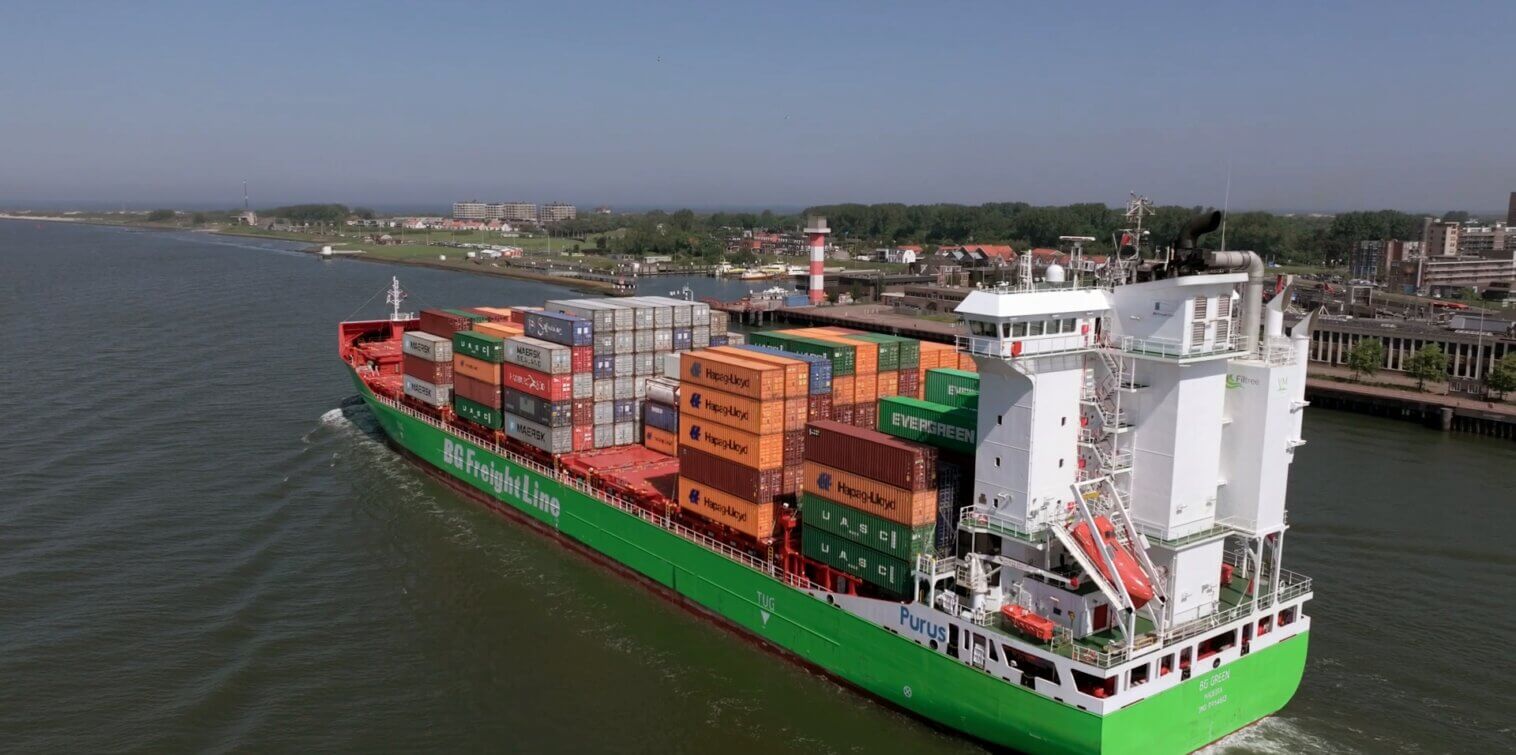
Value Maritime applies a distinctive approach to onboard carbon capture by separating the capture process from the energy-intensive handling and processing stages. This division, capturing onboard and processing onshore, offers several advantages. “Firstly, minimal onboard impact - by avoiding onboard desorption and liquefaction, we can reduce fuel consumption by up to 30%. Secondly, moving energy-intensive processes to shore enables the use of renewable energy, economies of scale, and flexible liquefaction when needed. Lastly, lower CAPEX and OPEX - a simplified onboard system reduces upfront investment, while lower fuel use and streamlined operations decrease ongoing costs.”
A business case that floats
For shipowners, therefore, the appeal lies not only in regulatory compliance but also in operational savings and competitive advantage.
“By using our technology, shipowners can reduce CO₂ emissions while lowering fuel costs,” says Nijst. “They may also avoid switching to more expensive low-sulphur fuels, allowing the investment to pay for itself over time. At the same time, vessels become more competitive through lower operating costs and a reduced environmental footprint.”
This dual benefit, economic and environmental, is critical in an industry with tight margins and increasing regulatory pressure. The system’s flexibility allows it to work with a wide range of fuels, including heavy fuel oil (HFO), LNG, methanol, and gas-to-liquid (GTL).
Beyond the ship: building the carbon value chain
Capturing carbon onboard is only part of the equation. What distinguishes Value Maritime is its focus on the entire carbon value chain, from capture to reuse or storage. Once a vessel arrives in port, the CO₂-rich solution can be offloaded and transported to end users, such as greenhouse operators, synthetic fuel producers, or storage facilities. “In many cases, we can capture up to 200 tonnes of CO₂ in a single voyage,” says Nijst. “The real value lies in what happens next.”
To manage this process, the company established Value Carbon, a sister organisation dedicated to shore-based carbon handling, processing, and logistics.
“Value Carbon was created in response to growing demand for CO₂ services,” Nijst explains. “Clients were looking for a partner to manage the entire chain, from offtake and transport to reuse and storage, so we built that capability ourselves.” This integrated model ensures that captured carbon is treated not as waste, but as a resource with multiple applications.
A Rotterdam-born ecosystem
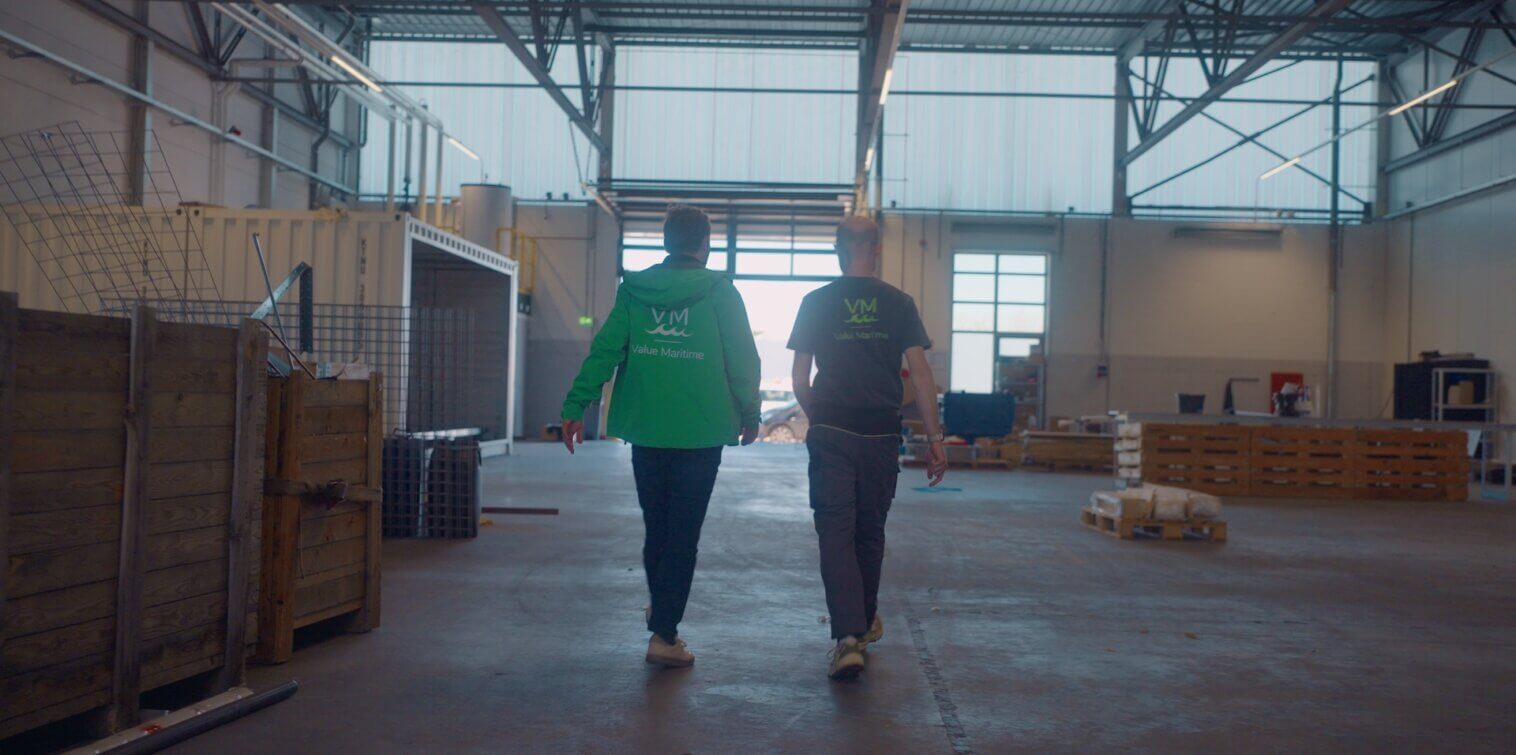
The company’s base in Rotterdam is no coincidence. As Europe’s largest port and a major industrial hub, the city provides a strong ecosystem for maritime and energy innovation.
“Rotterdam has always been our home port,” says Nijst. “It’s where this all started, and the only place it could have started. When we first presented our ideas to companies in the port, they were ready to listen. That confirmed we weren’t completely crazy.”
Support from the Port of Rotterdam and its surrounding network has been instrumental in the company’s growth from startup to scale-up. The port’s infrastructure and collaborative environment have enabled real-world testing and deployment.
“As the carbon value chain develops, ports and infrastructure will play a crucial role in connecting all the dots,” Nijst adds. “Building these ecosystems requires collaboration across the entire industry. We can’t say this enough.”
This scalability will be essential as shipping faces stricter emissions targets under frameworks such as the IMO’s decarbonisation strategy. By working with existing vessels and fuels, Value Maritime offers a practical bridge between current operations and future ambitions.
Download the whitepaper
Decarbonisation is no longer a future challenge. It's a business opportunity. Discover 6 practical insights from Rotterdam Shore Power, Value Maritime and ZEDhub, and see how maritime companies are turning sustainability into competitive advantage.