From innovation to operations: how DronePort Rotterdam is accelerating autonomous and uncrewed systems in Europe’s largest port
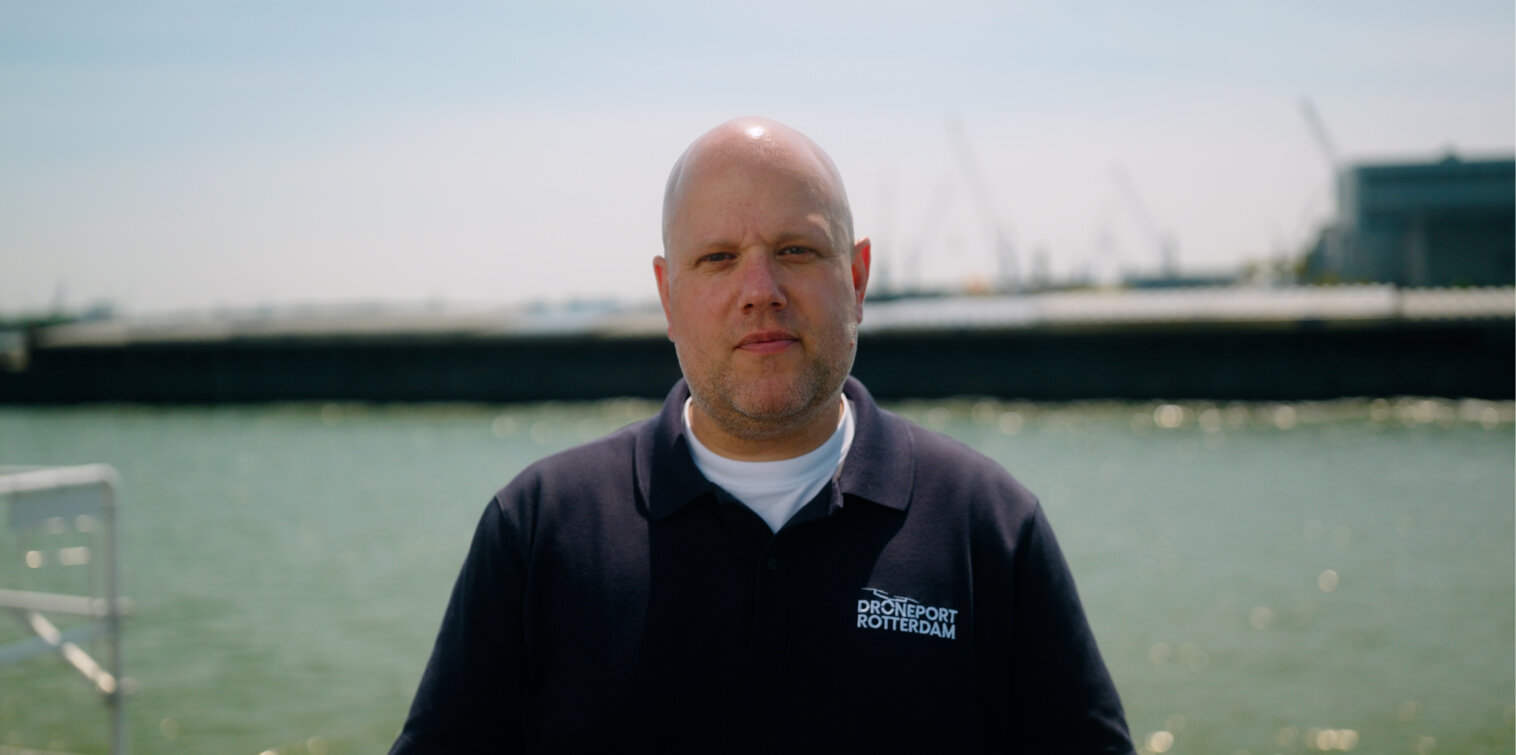
“We’re not a drone operator ourselves,” says Arthur Dallau, founder and CEO of DronePort Rotterdam. “We connect the parties and conditions needed to move from a promising technology to a safe, responsible and scalable operational capability.”
This means turning theory into practice to achieve real impact. “Not only from a safety and security perspective, but also in terms of operations. We’re making sure that we create an environment where all kinds of companies can flourish, including startups, scale-ups and corporates.”
The numbers show how fast AUS activity is growing in and around the Port of Rotterdam. When DronePort was established two and a half years ago, around 15 drone operators (the companies that fly the drones, do inspections, surveillance or deliveries) were active in the port. Today there are 80!
More than drones
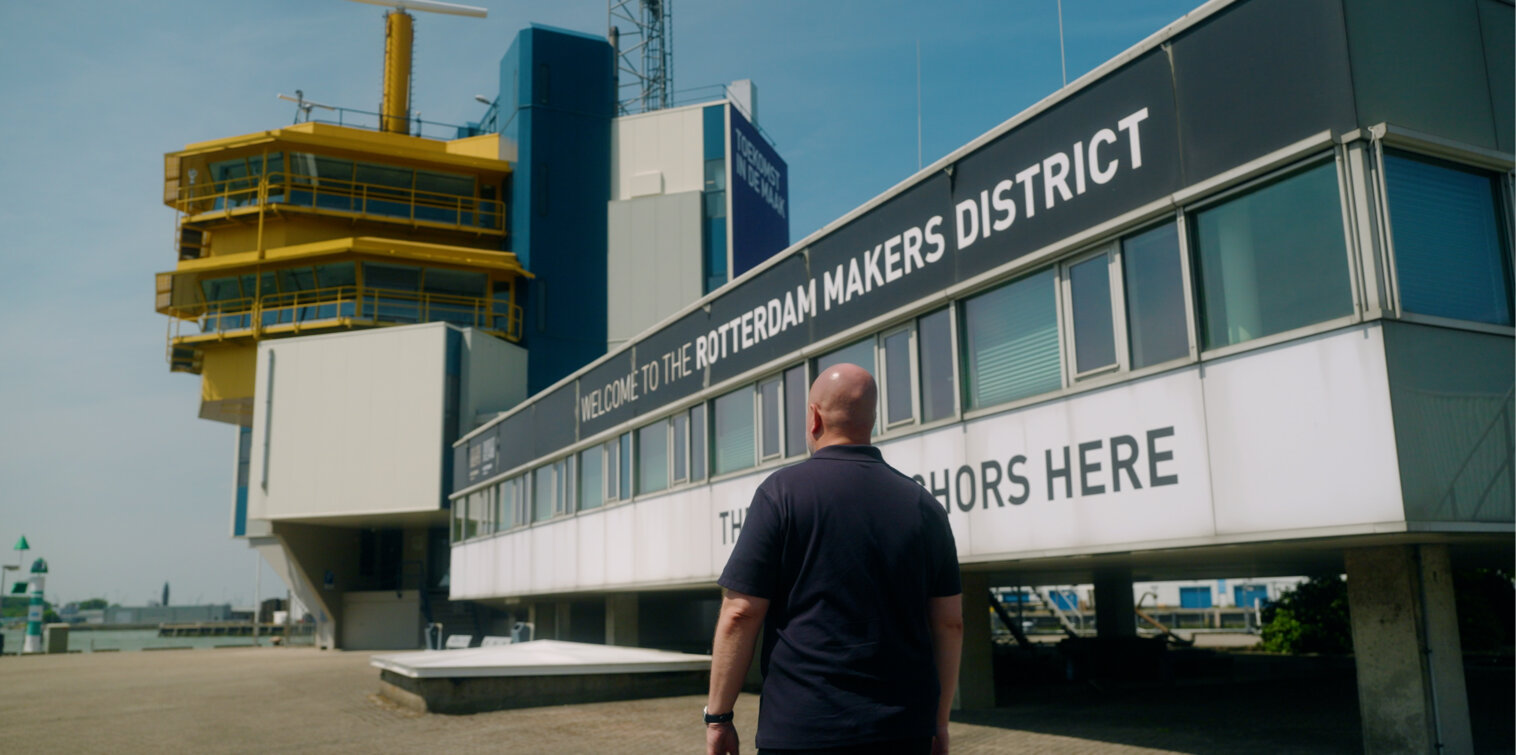
Ask most people what AUS means, and they picture a drone in the sky. Arthur sets the record straight: “When we speak about autonomous and uncrewed systems, we mean aerial drones, autonomous vessels, ground robots, underwater systems, and sensors,” he explains. “And of course, the secure connections and data platforms needed to operate them safely and securely. It’s actually a new operational layer for ports and maritime environments.” DronePort Rotterdam brings that new layer together into one connected ecosystem, helping build the partnerships, skills and workforce needed to deploy it safely, responsibly and at scale, across the whole port rather than in isolated pilots.
Real-world business cases
DronePort Rotterdam works with a growing ecosystem of innovation partners across the region. The projects vary, but the development logic is consistent: connect the operational user and technology provider, clarify the regulatory and safety pathway, test in a representative environment, validate performance and business value, and prepare for implementation and scaling.
The examples below demonstrate that scaling autonomous systems is not about a single technology, but about building the ecosystem in which innovation, regulation and operations evolve together.
1. Inland shipping
The barge sector faces a projected workforce decline of 35% within two to three years. In response to this, Rotterdam-based Shipping Technology is developing semi-autonomous barges (read more about this and similar projects here). “We help them with the regulatory side, the connection to the port, and training a new generation of captains.”
2. Drone delivery
Alongside its traditional mooring services, Royal Boatmen’s Association Eendracht also delivers around 120 packages a day throughout the port. “Together with the Royal Boatmen and the Port of Rotterdam, we’re looking into expanding in-port package logistics with drone delivery – and whether those same trips could double as infrastructure inspections for the port itself.”
3. Heavy cargo drones
Offshore access firm Ampelmann is testing cargo drones to move heavy goods offshore instead of relying on helicopters or vessels. “The early results are promising, and we're helping with the regulatory side,” says Arthur.
4. Crime prevention
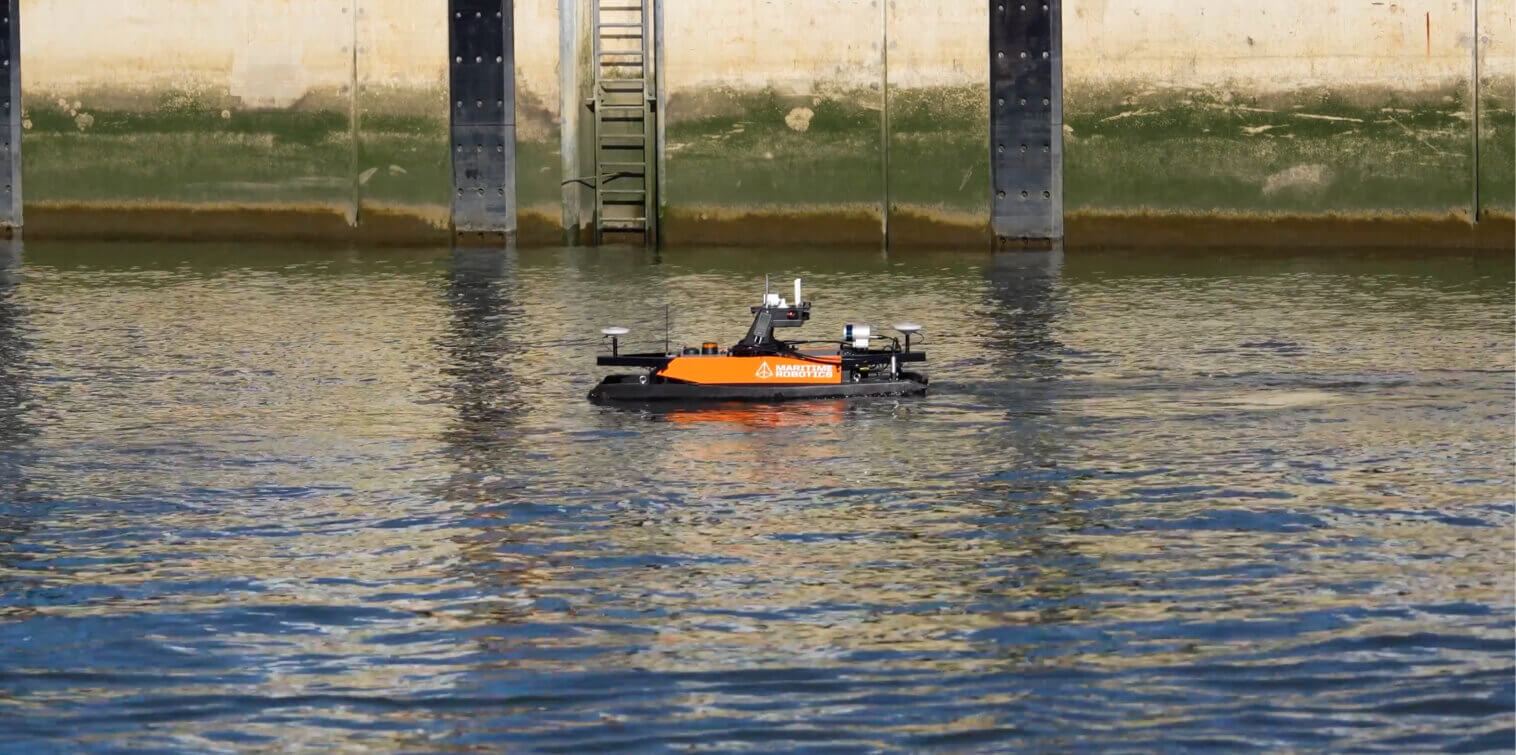
With two of its innovation partners AquaSmartXL and Tective Robotics, DronePort is combining surface and subsea scanning. “The idea is to create a single operational picture to support customs and police in tackling subversive crime. It’s already showing great potential.”
5. Sharing data securely, without sharing it all
Our last example is a project where multiple partners develop a shared sensor data space, visualised on a live map of Rotterdam. This allows organisations to collaborate without handing over all their data. “Customs authorities might see everything, the port around 70 percent, and a commercial company only 20 percent of the data.”
Drone Horizon: connecting Europe's ports
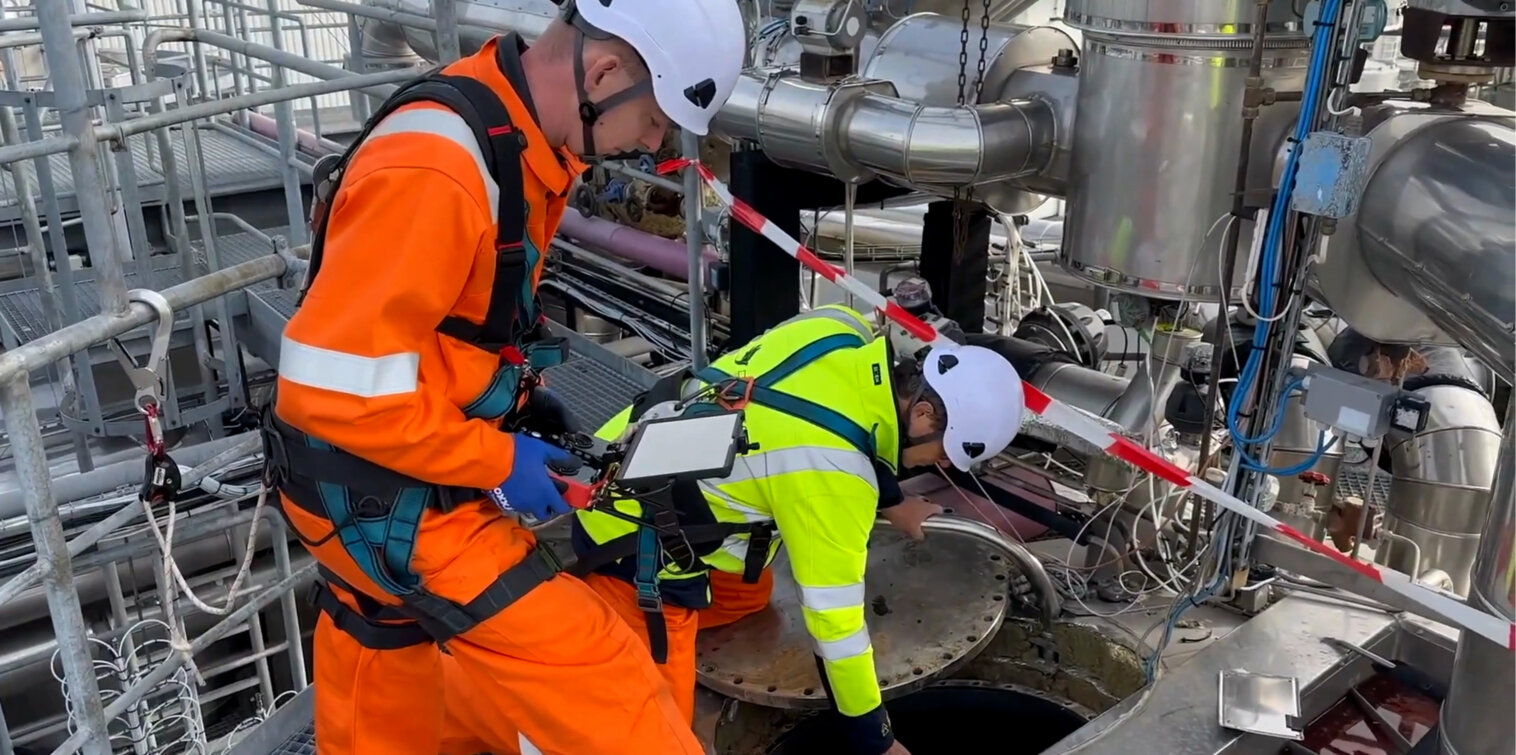
After noticing that drone-industry events rarely covered maritime and subsea applications, the organisation started discussions with the ports of Antwerp and Hamburg to set up a joint project. This was the formation of Drone Horizon, a joint programme that connects port and maritime applications across domains, from space-enabled services and airspace to land, water and subsea operations, and builds a European community around deployment, interoperability and scaling. Critical-infrastructure resilience is becoming increasingly important within that agenda. “Ports must prepare for physical, cyber and hybrid threats while maintaining operational continuity. Civil–military learning and trusted dual-use innovation can help translate relevant technologies and operational lessons into responsible port and maritime applications.”
Download the whitepaper
Autonomous shipping is no longer a distant prospect. The technology is ready, but scaling it requires the right regulations, trust and collaboration. Discover five practical insights from DronePort Rotterdam, the MAGPIE project and SmartShip, and learn how Rotterdam is turning autonomous and uncrewed systems from promising pilots into standard maritime practice.
Want to learn more?
Get in touch with Rotterdam Maritime Capital of Europe (maritime@rotterdam.nl) and DronePort Rotterdam (https://www.droneportrotterdam.com/).
Get in touch!